

How it works
You own the property. The PA does the legwork. You decide.
A walk through a year of a let with LevelMoves: what the PA prepares for you, and what always comes to you first.
Last reviewed 11 October 2026
Stage 1
Day one: tell it about the property
Address, who lives there, what the rent is, when it started, where the deposit is. Type it, say it, or upload the agreement and let the PA read it. It builds the record and lists what is missing.

Stage 2
Certificates and compliance
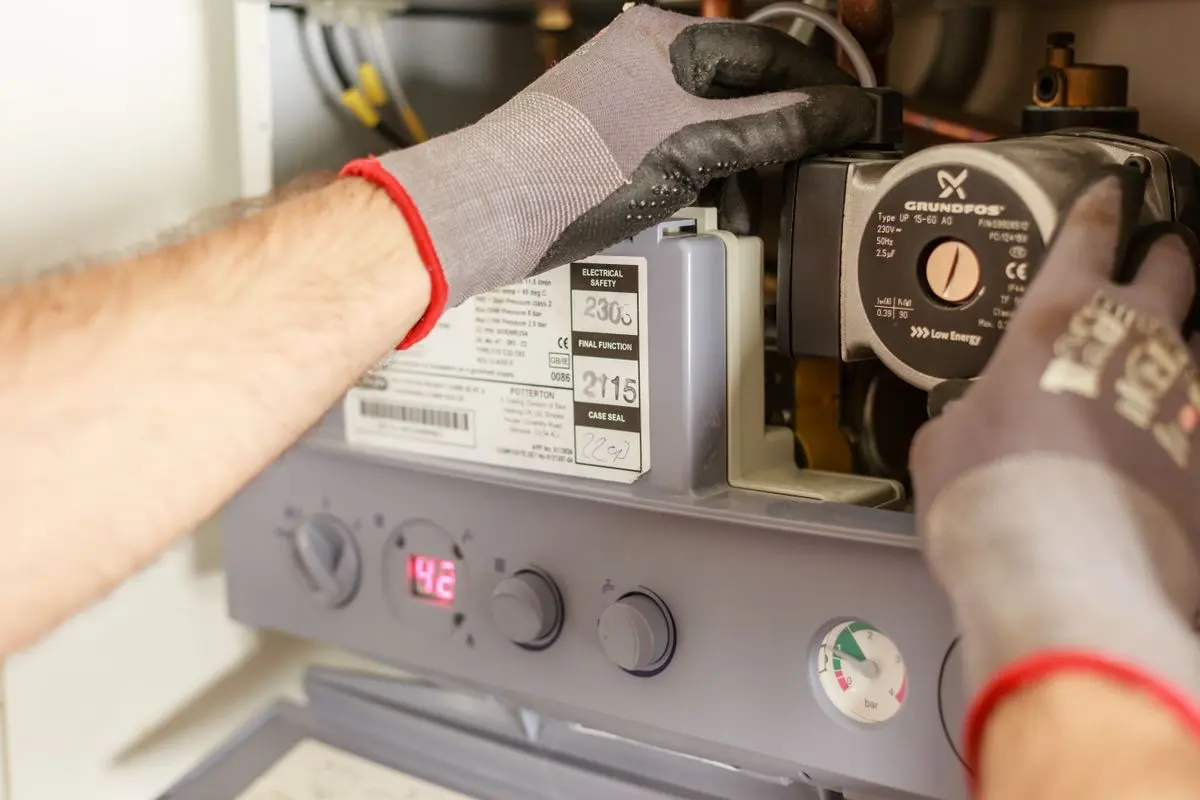
Upload the gas safety record, EICR and EPC in any form. The PA reads the dates, files them and adds each renewal date to your home's tasks. When one is due it finds an engineer from your contacts, gets a slot and a price, and asks you to confirm. After the visit the new certificate is filed and the tenant gets their copy.
Stage 3
Rent, in your own account
Connect your bank (read-only) or upload a statement each month. The PA matches payments to the tenancy and keeps the rent record, so a late payment shows on it. It never holds or moves money.
Stage 4
Repairs, from report to receipt
Your tenant reports a problem with a photo. The PA turns it into a job, briefs the right contractor, gets the quote, asks you, schedules it around the tenant, and files the invoice. You rate the job when it is done.

Stage 5
Tenants coming and going, your way
When someone leaves, the PA runs the checklist: notice dates, inventory, deposit return, cleaning, certificates for the next let. For the next let it writes the advert, and at every step you choose who does the work: you, your own contact, quotes from providers nearby, or your agent. Referencing, deposit registration, viewings and photos all come back into the same file, and you decide the tenant

Stage 6
The law, without the reading
Rent can rise once a year by notice; the yearly review is added to your home's tasks before the window opens, and the PA drafts the form for you to serve. Pet requests get a dated reply for your approval. The landlord database deadline for your region is in your tasks. Anything about possession goes to a human.

The PA
How do you talk to the PA?
On the web, with the assistant on every page. It knows your properties, your contacts and your documents, so "book WarmHome for the boiler at Elm Road on Thursday" is enough.
- "Sarah and Tom moved in on 1 March, £1,450 a month, deposit £1,600."
- "What certificates does Kings Court need before I let it?"
- "Log rent of £1,450 received today for Elm Road."
- "Can I refuse a pet? Sam has asked for a cat."
Booked. Sam and Bright Plumbing told.
Questions landlords ask
What do I need to get started?
An email address and the address of your property. Everything else can come later: upload documents as you find them, or tell the PA about the tenancy in a message.
Do my tenants have to use it?
No. Invite them if you like; they get their own portal to see the tenancy, certificates and documents and to report repairs.
Can I keep my existing contractors?
Yes. Add them as contacts. When a job comes up the PA briefs them, collects the quote and asks you to approve. They get a simple portal, or just email.
What happens on the day rent is due?
If you connected your bank or uploaded a statement, the PA sees the payment and marks it received. If nothing arrives, the rent record shows it as late and you decide what happens next. The PA can draft a friendly note for you to check; nothing is sent until you confirm, and anything formal is yours to send.
Start with the property you have.
Free, no card. Upload a certificate and watch it get filed.